 View Strategy (English)
Featured Publication
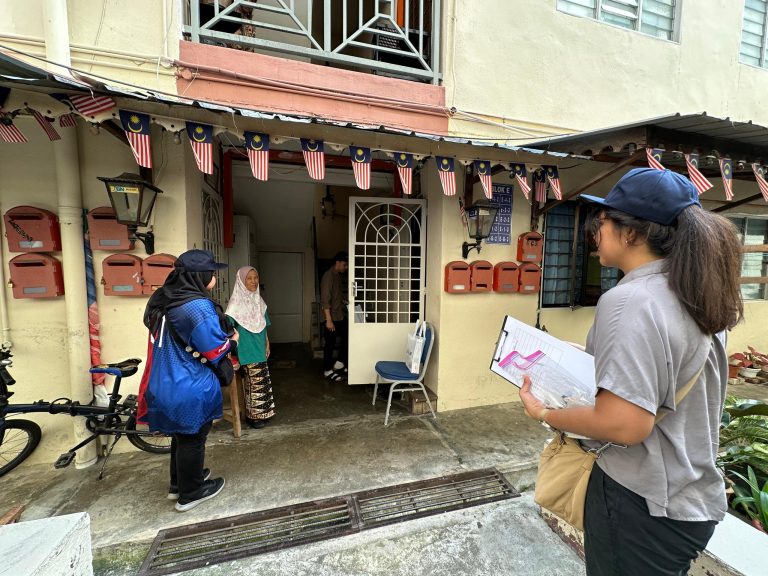
Heat stays in people’s homes
Southeast Asian cities already live with hazardous heat and humidity. Some of the most dangerous heat stays inside homes at night, when the body needs…

In addition to a bustling tourism industry, Thailand’s capital city is home to 10 million residents within 1,500 square km. Rapid growth and industrial success have made Bangkok a magnet for migration from across Thailand and beyond. Millions of people flock to “the city of angels” in search of opportunity amid the concentration of economic growth and prosperity, and Bangkok’s population has increased more in the last decade than the preceding three decades combined. This growth has brought myriad economic, environmental, and social challenges alongside new opportunities.
With more people than ever before living in and engaging with the city, it is a critical time to look ahead and make a plan for a better, more resilient Bangkok – a city that is safe, livable, and sustainable for all. In developing a Resilience Strategy for Bangkok, we asked: How can we make Bangkok a vibrant city of opportunity for everyone, rather than a select few? How can we create space for collaboration and communities, rather than division and exclusion? How can we work together to embrace the opportunities and benefits of living with water, rather than battling to keep water out?
Southeast Asian cities already live with hazardous heat and humidity. Some of the most dangerous heat stays inside homes at night, when the body needs…
Every regeneration project promises something better. It rarely tells you who it's better for. Up to 3.4 billion people worldwide lack access to secure, safe…

The University of Georgia New Materials Institute’s (UGA NMI) Circularity Informatics Lab (CIL) has joined the Urban Ocean program as a core partner and program…