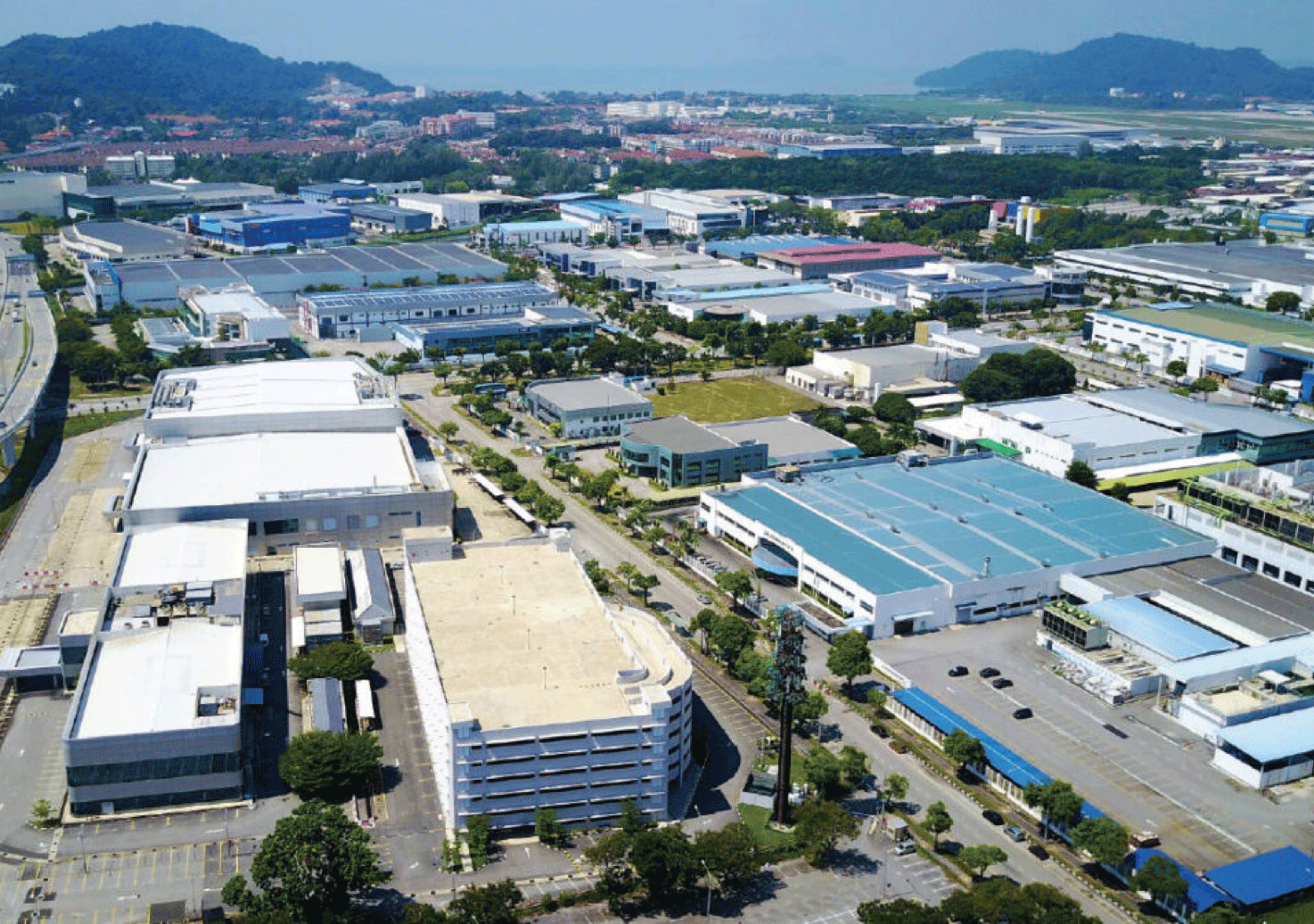
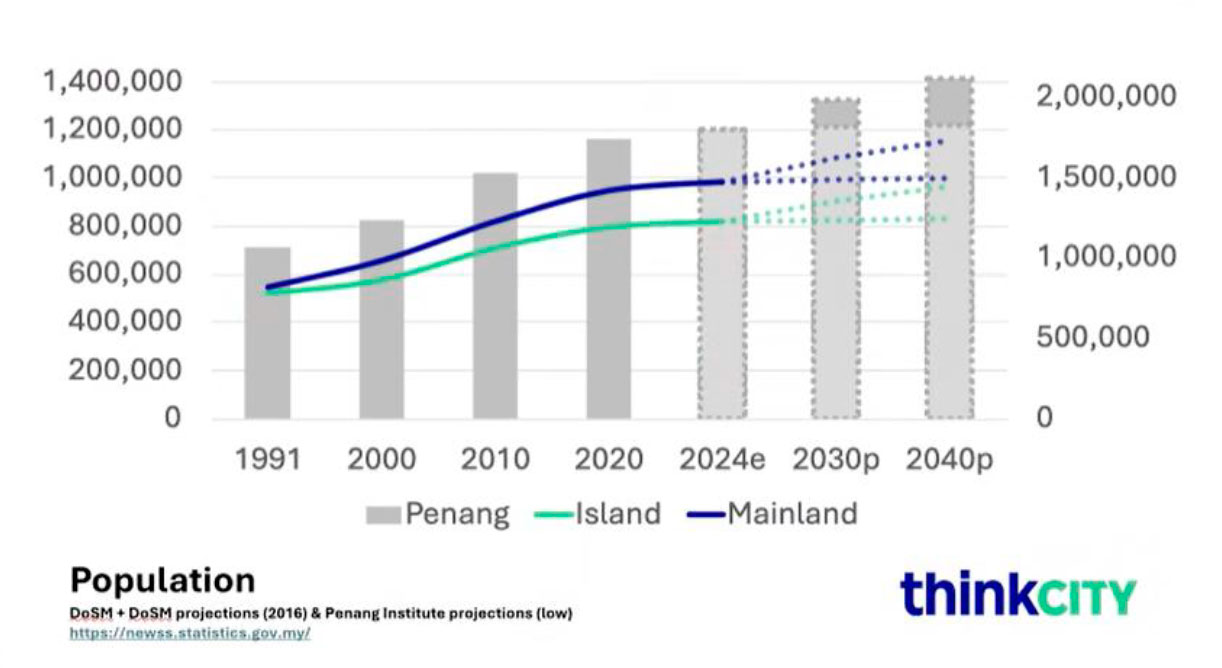
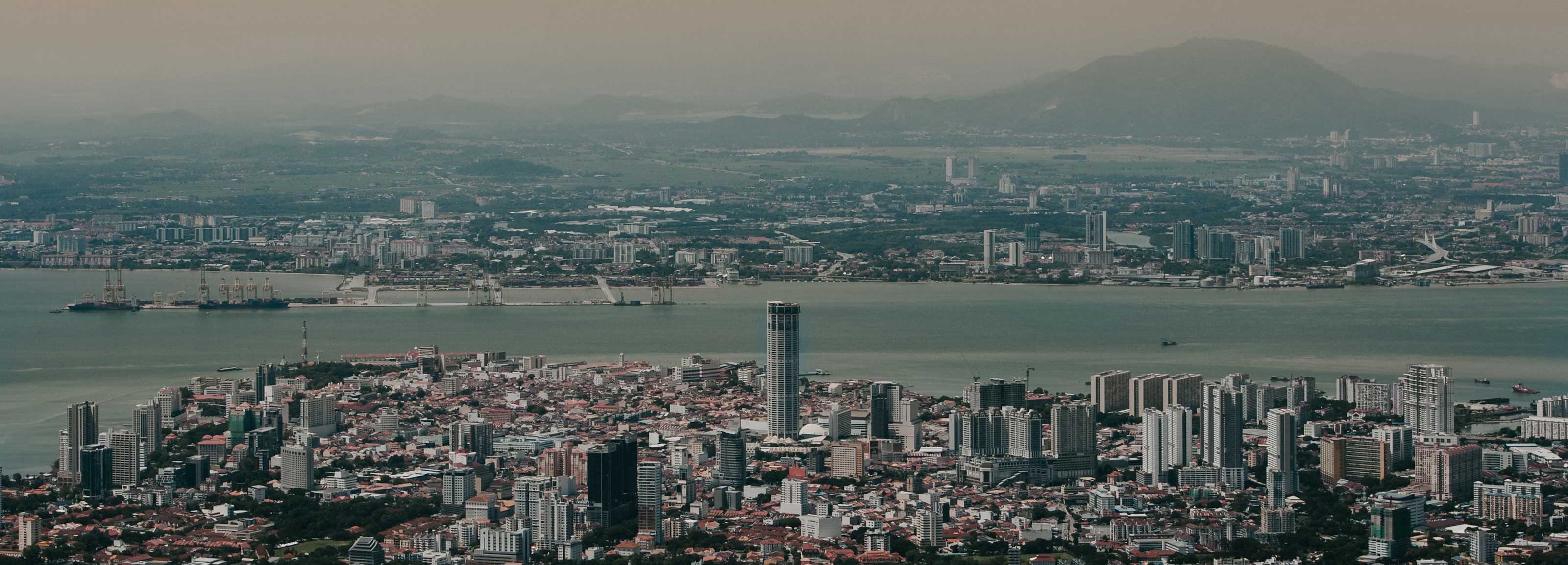
The state's population has grown rapidly—but not evenly. While parts of the island have stayed stable, Seberang Perai is seeing more rapid expansion, driven by available land and new development.
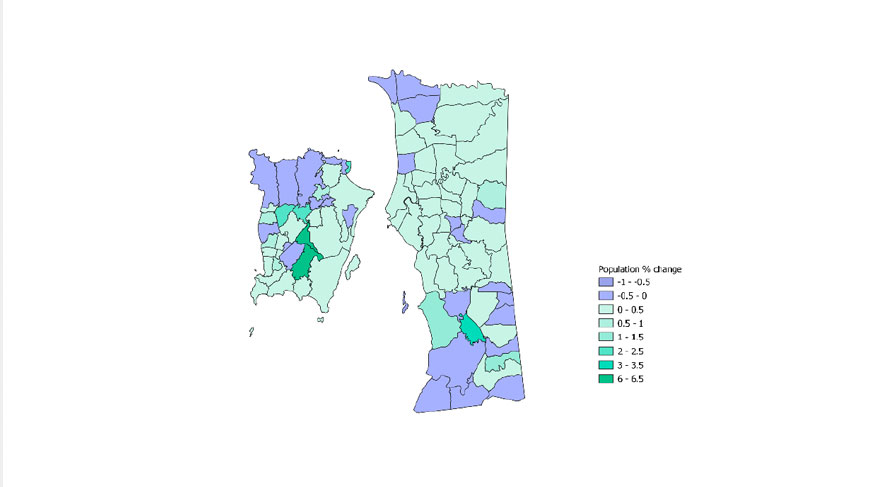
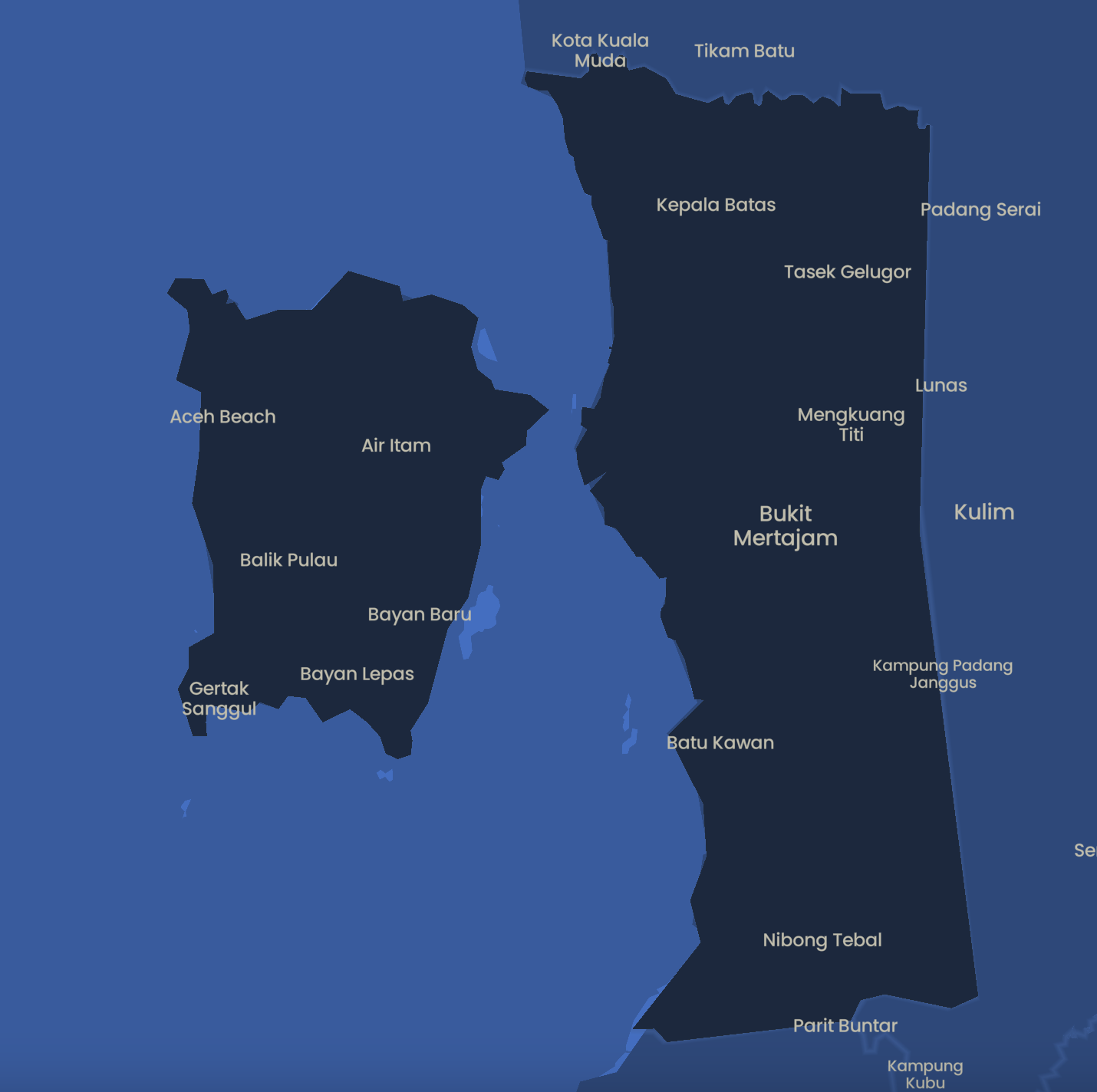
Out of the two regions, Seberang Perai is expected to expand more rapidly.
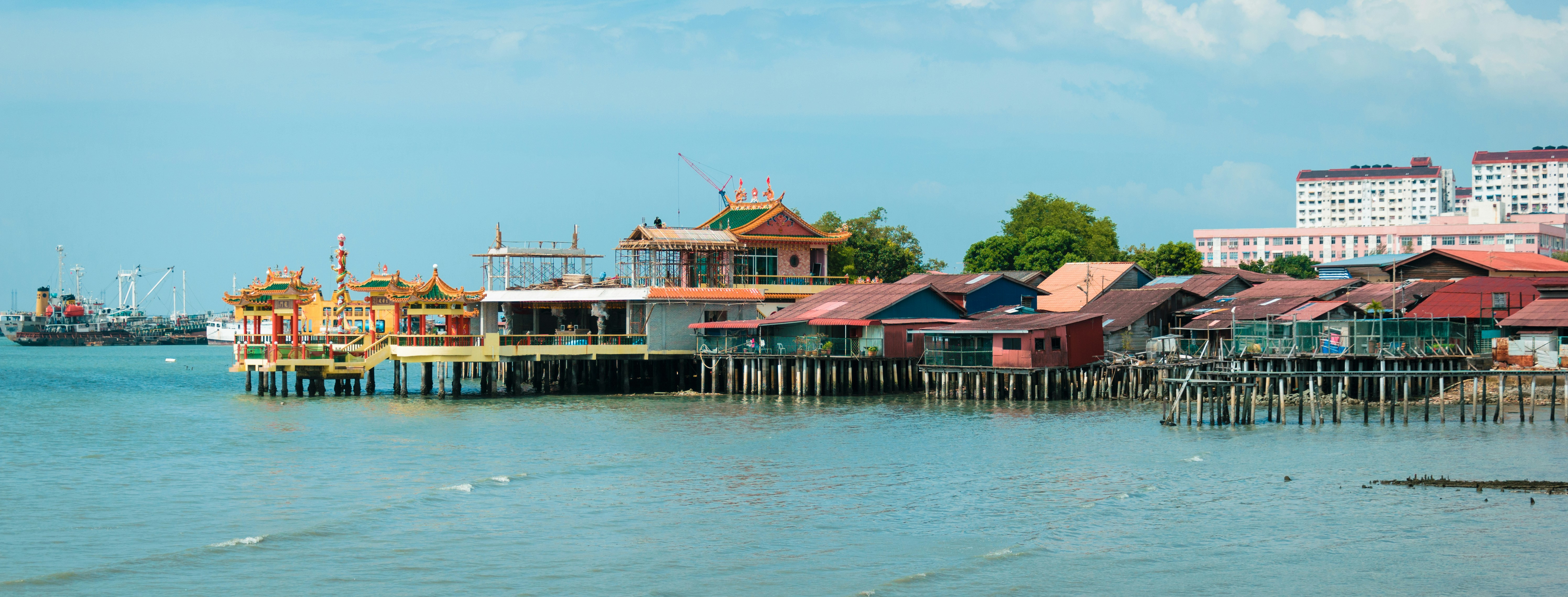
As cities expand, they are also getting hotter and facing more extreme weather events.
In 2020, Flash floods on mainland Penang displaced 148 people and led to the opening of two relief centres.
More events have followed:
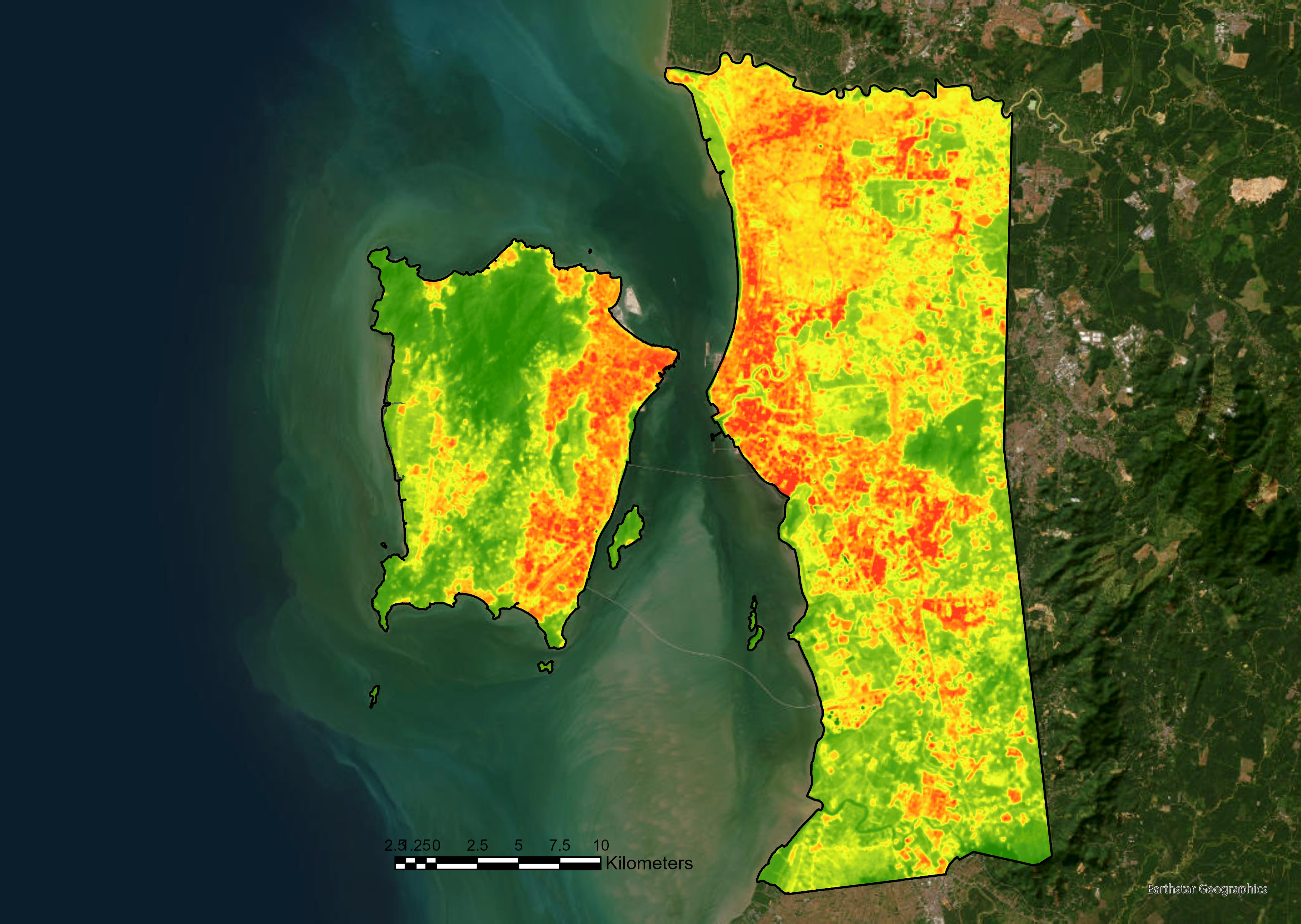
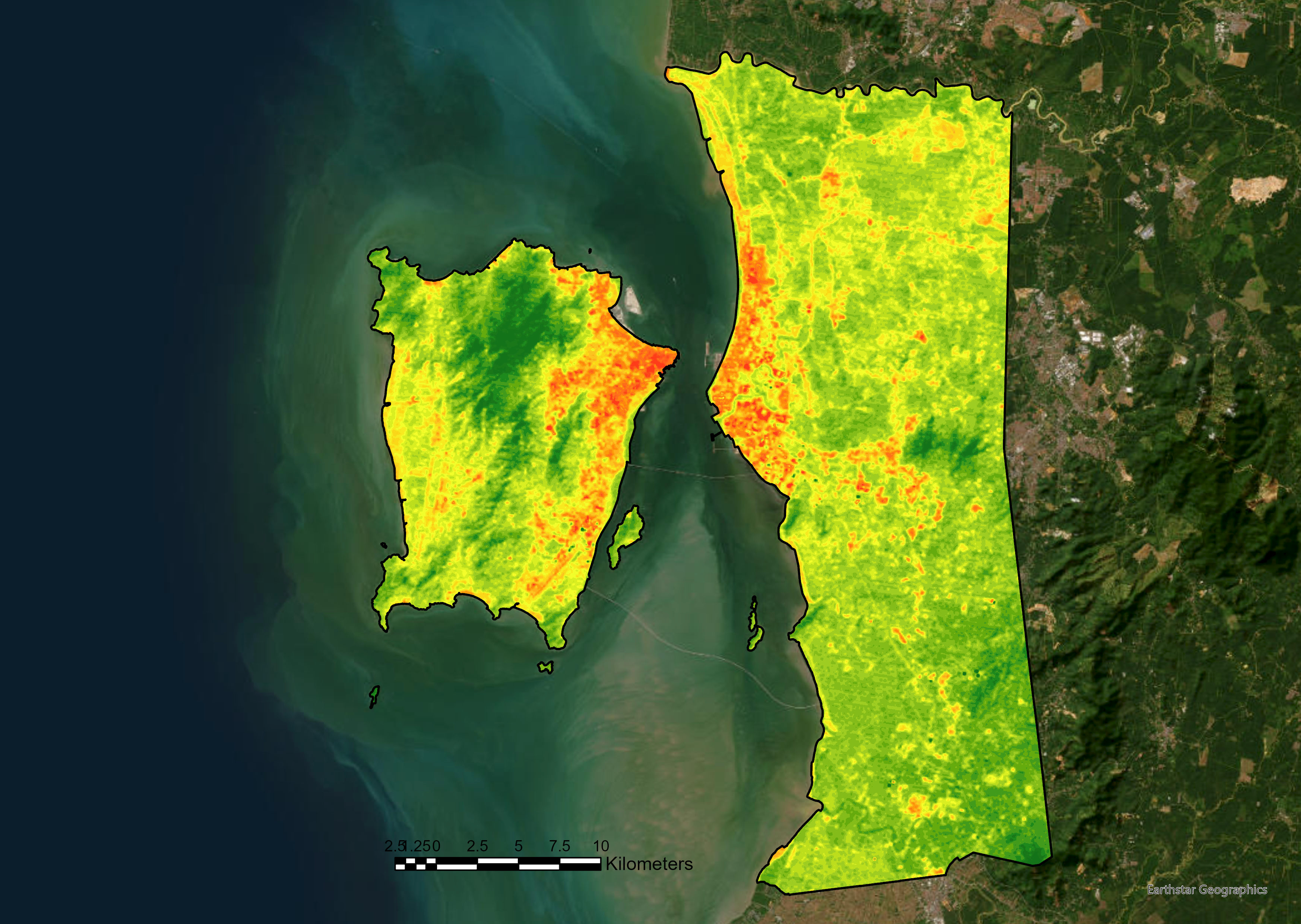
about the heat?
Temperatures have been rising for the past decade and are expected to keep rising.
Heatwaves, floods and rising costs are reshaping life in the city. Penang is already feeling the pressure and getting ready for the future.

How resilient is Penang?

Urban resilience is a city’s ability to bounce back and adapt to challenges.
Investing in Penang’s resilience will enable safer, more sustainable, and more resilient communities that can thrive in change.
Penang’s resilience strategy is built around 4 pillars. These pillars respond to the key challenges identified during the resilience assessment—shaped by local voices, local knowledge, data and future risks.
Each pillar includes one or more portfolios of projects that bring the strategy to life.
Who is involved?
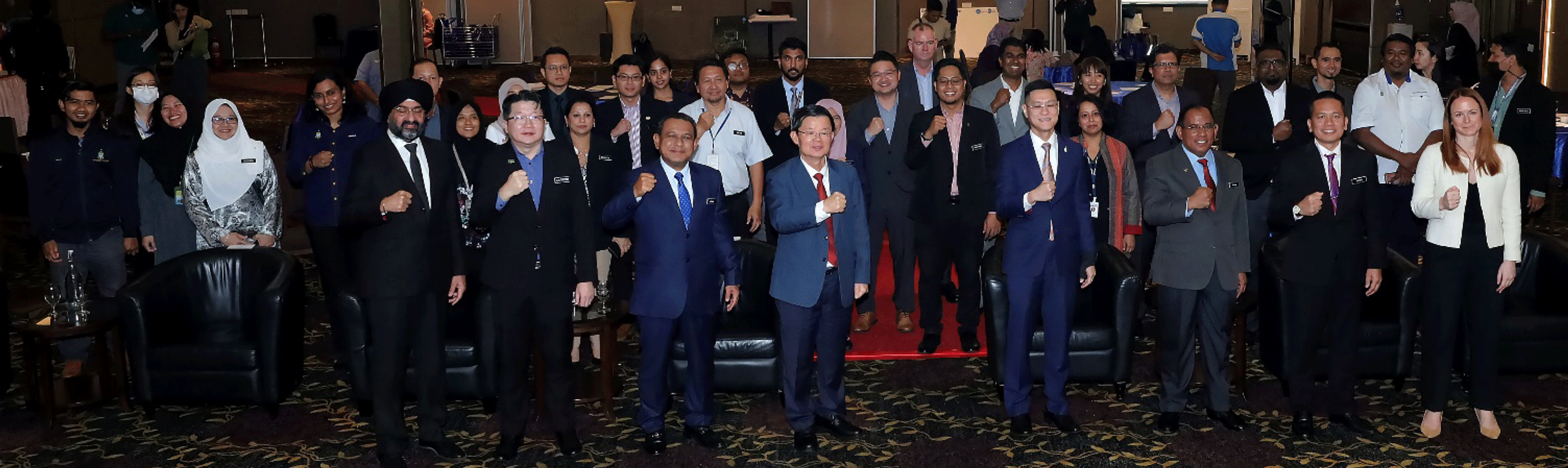
Stakeholder engagement has been central to developing this strategy.
between areas
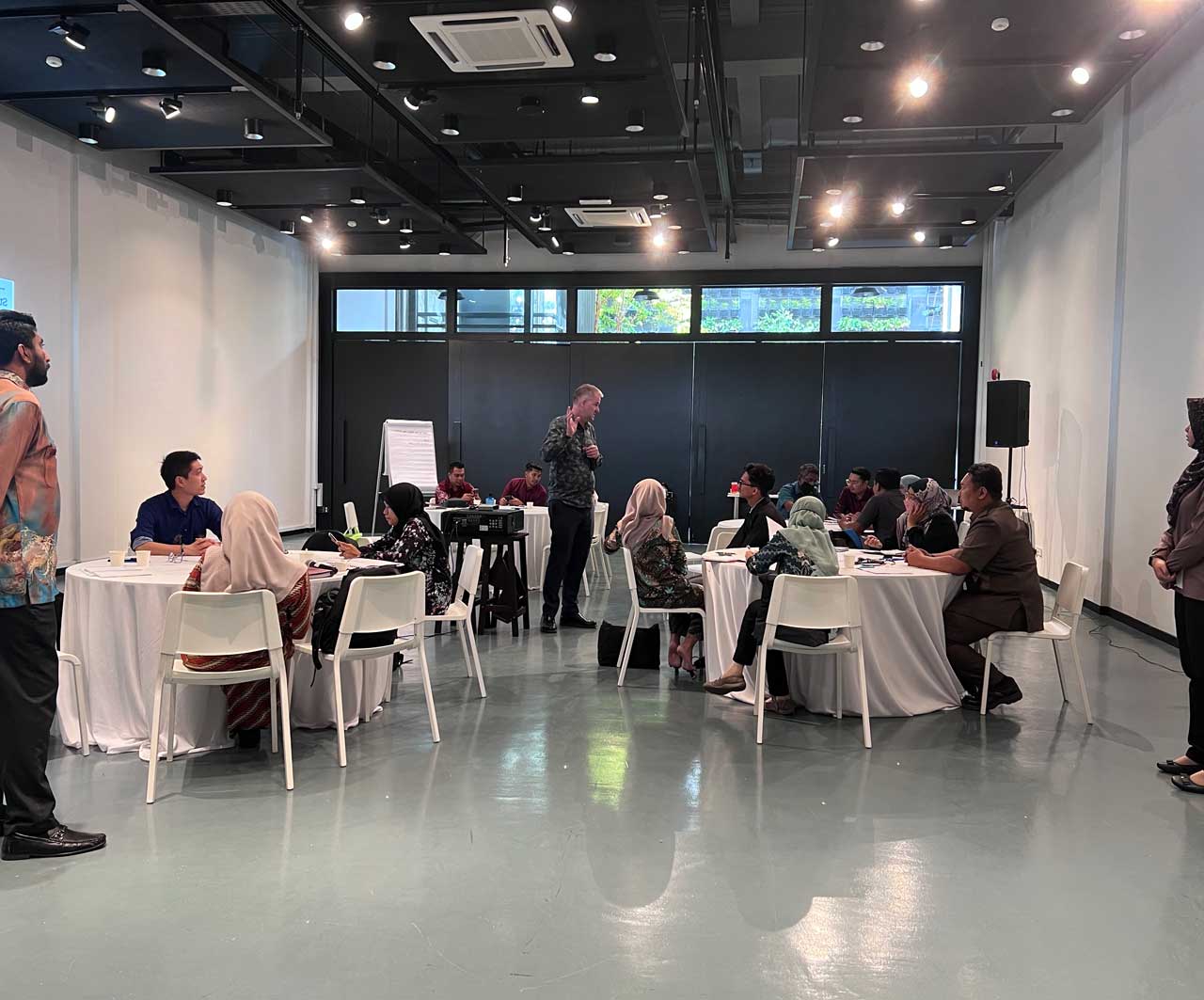
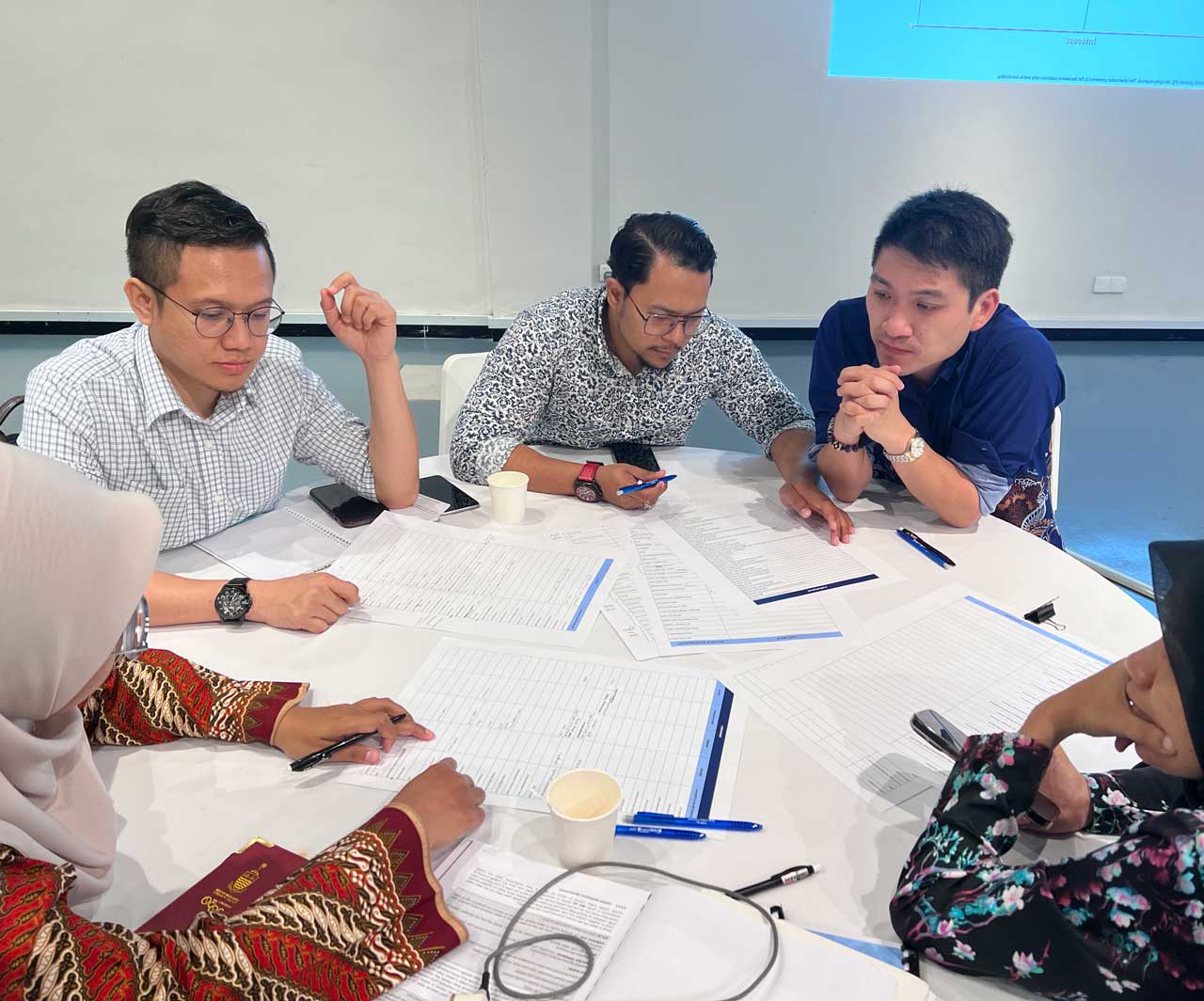
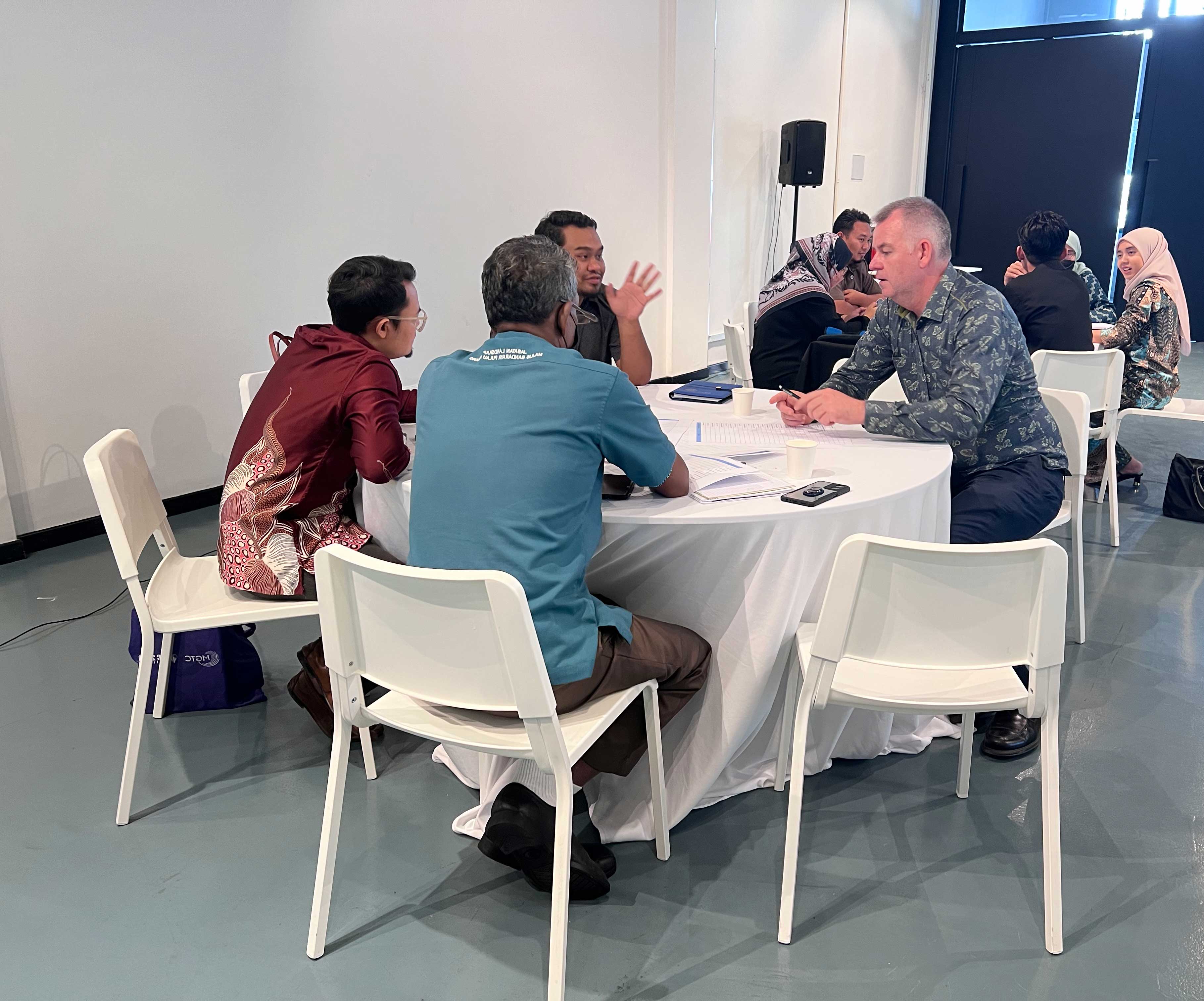
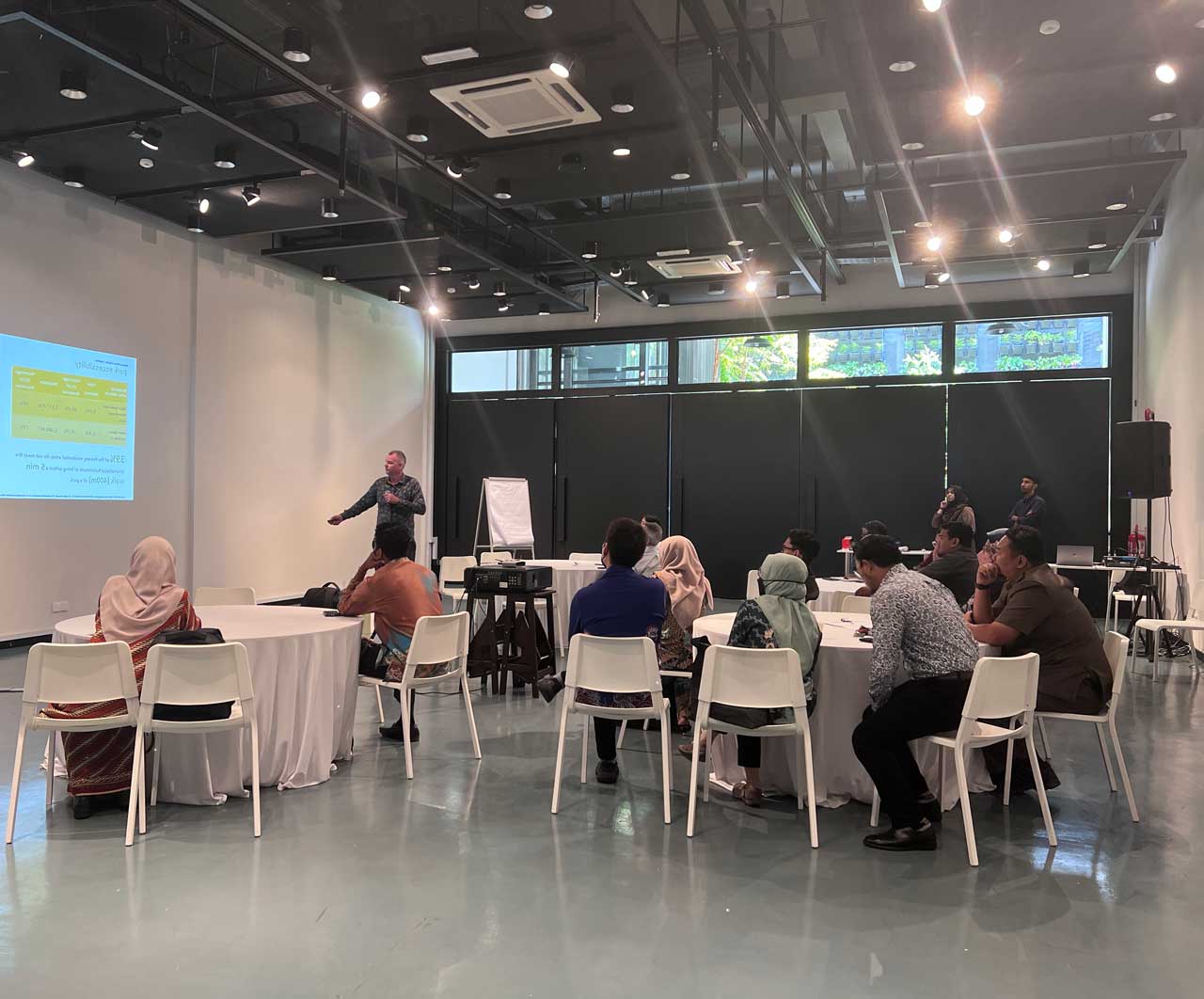
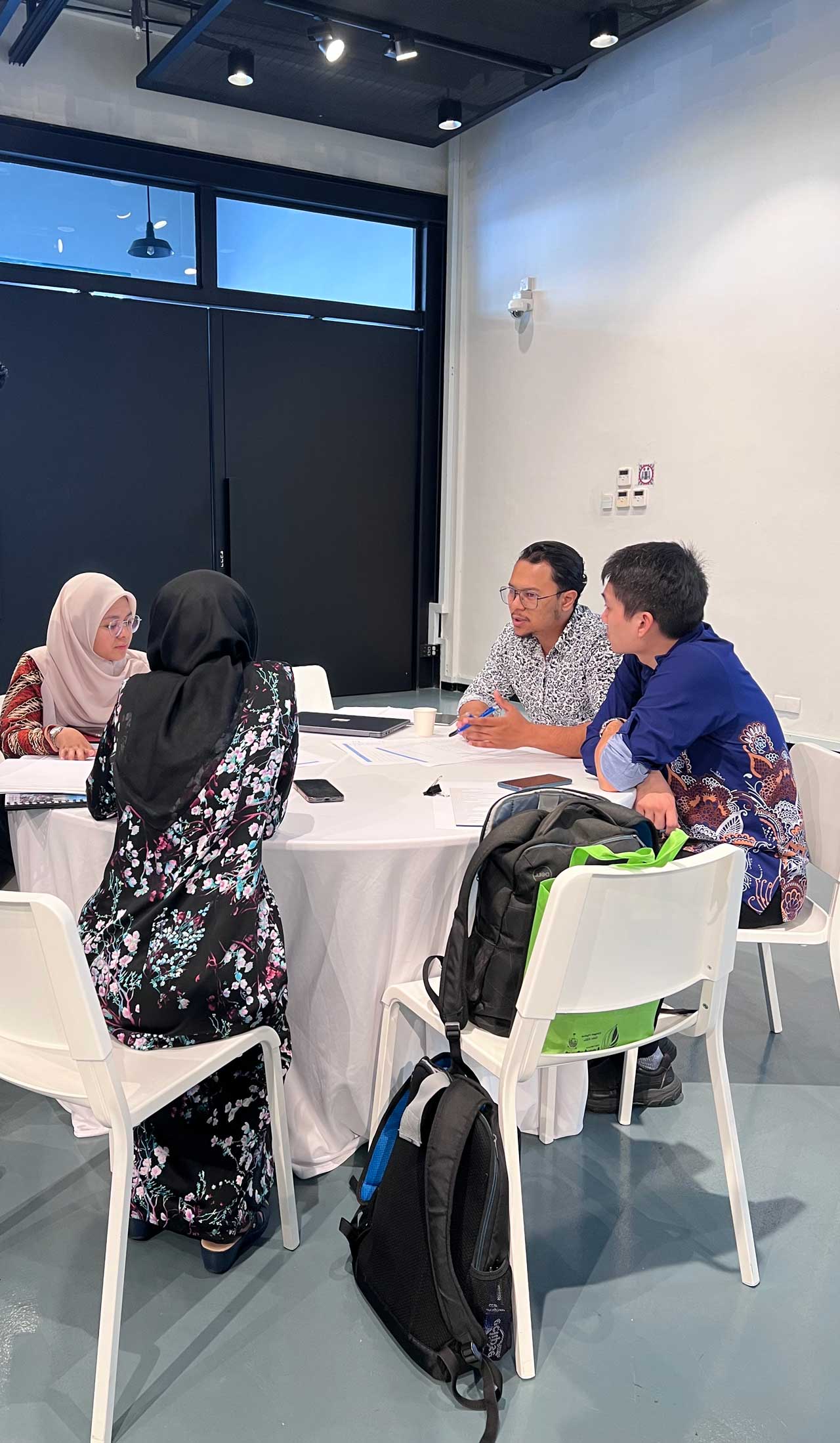
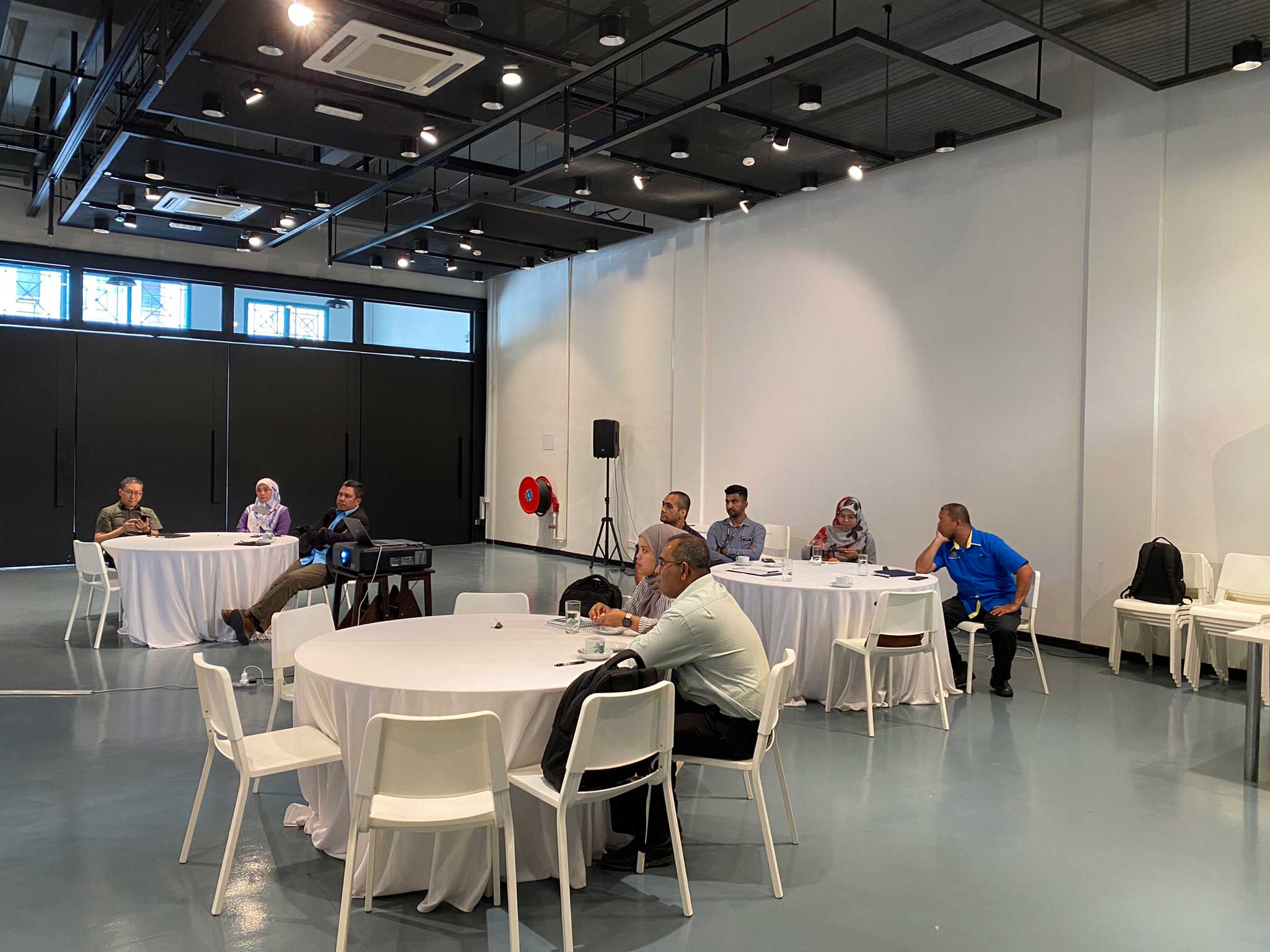
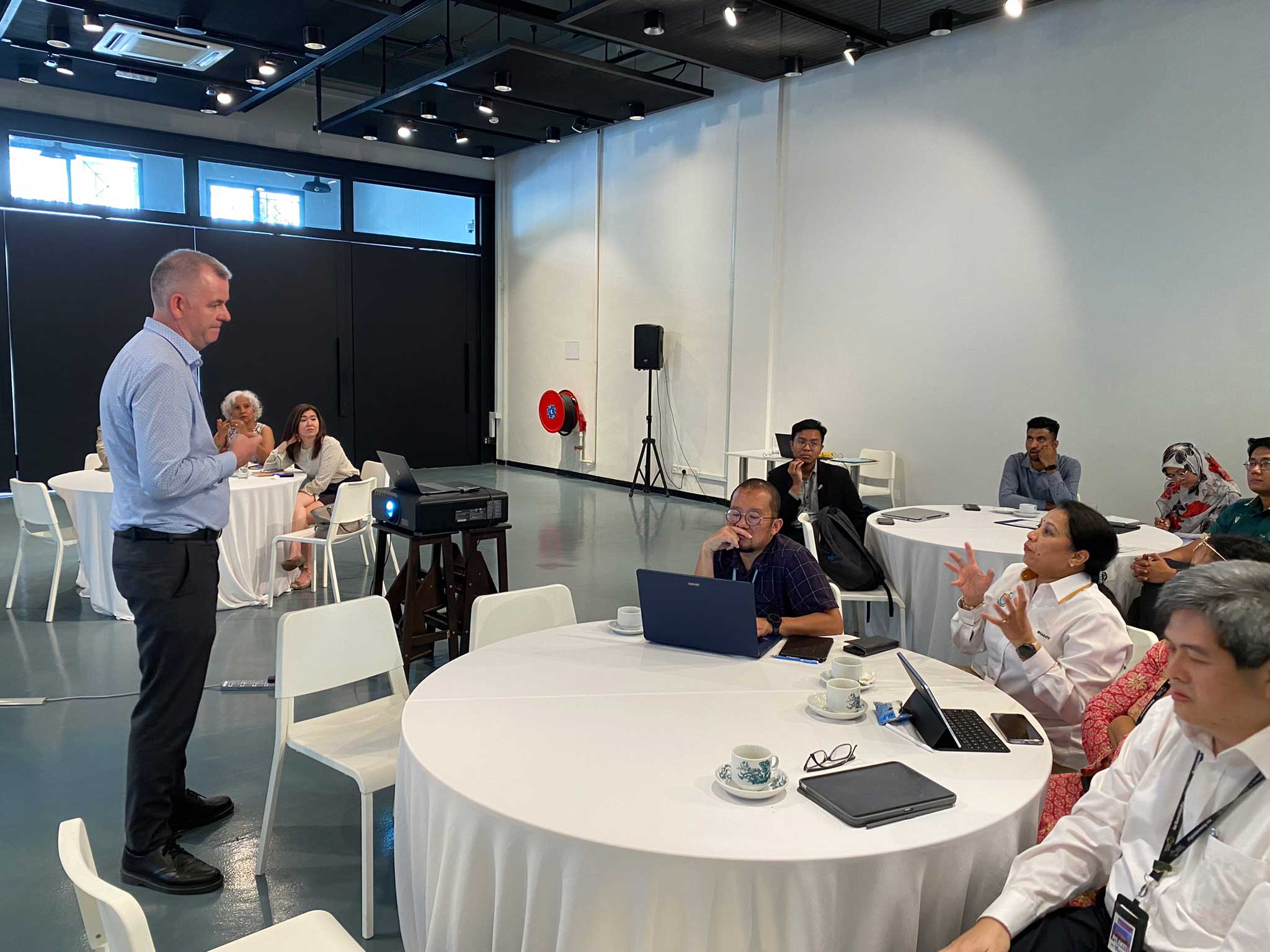
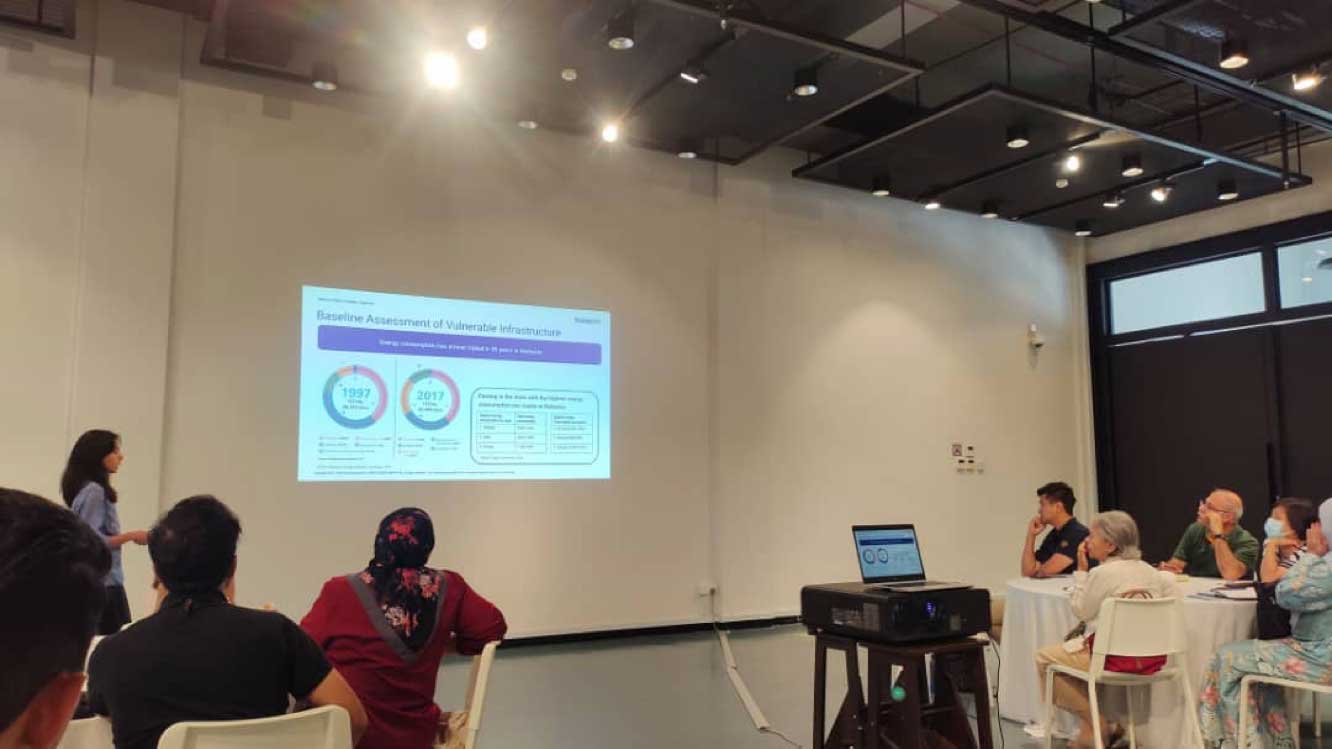
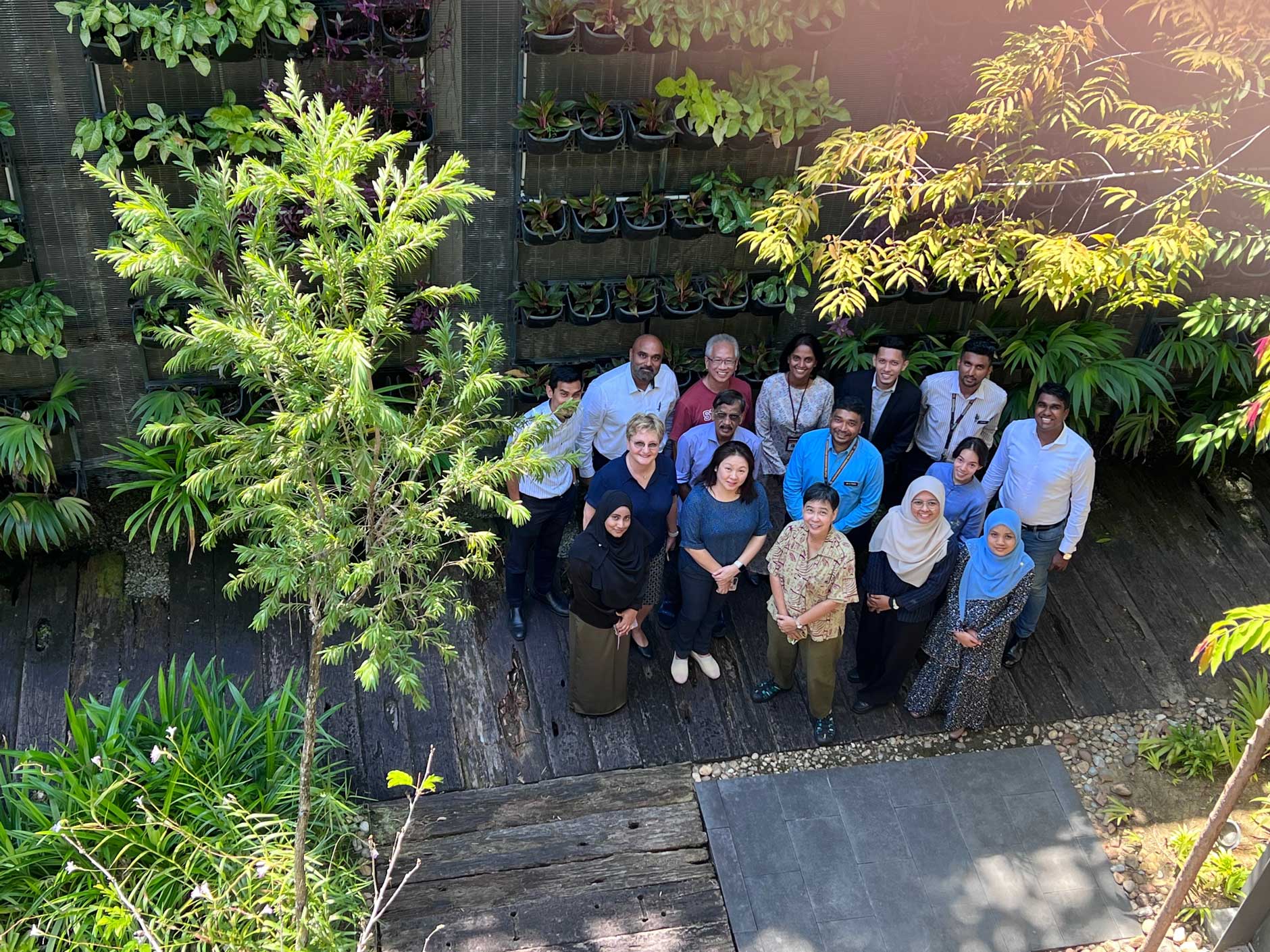
R-Cities and Think City facilitated a City Resilience Assessment and a Stakeholder and Ecosystem Mapping Workshop. This was conducted as part of a Baseline Resilience Assessment for city officials of Penang Island and Seberang Perai.
The workshops were held to validate Penang's key shocks and stresses, review existing strategies to address them, gather relevant information, and identify key stakeholders.
stakeholders
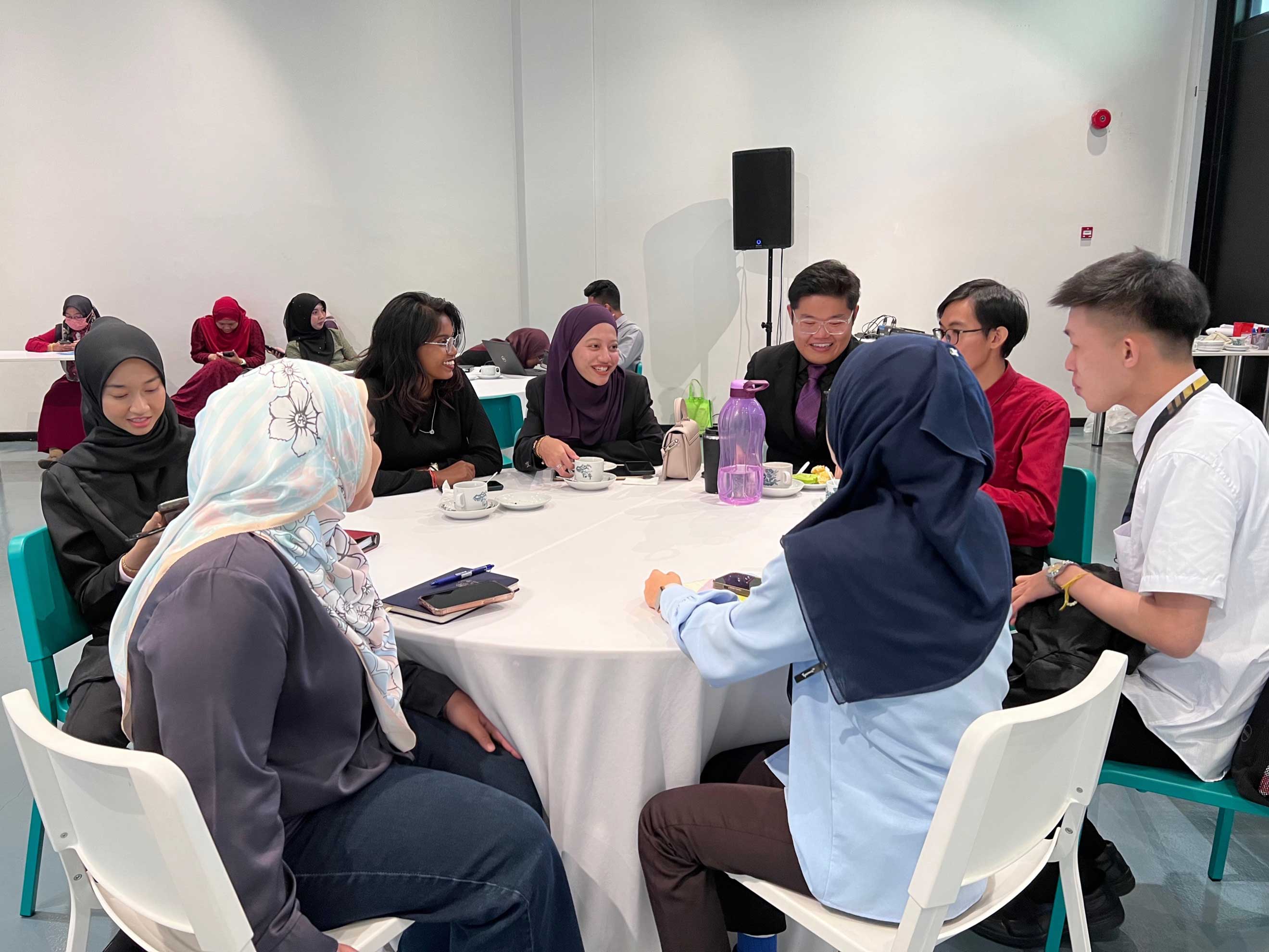
Focus Group Discussions were conducted with representatives from state and federal government agencies, the private sector, and NGOs. These discussions highlighted interconnected urban challenges and emphasized the need for integrated solutions.
Key areas covered included shocks and stresses, resilience initiatives, emerging resilience themes, stakeholder engagement and collaboration, as well as challenges and opportunities. The valuable insights from these discussions will inform the development of the Penang Resilience Strategy.
Micron provides funding for the development of Penang Resilience Strategy.
Did you know that Micron, a global leader in memory and storage solutions, extends its impact beyond technology through the Micron Foundation? The foundation supports initiatives focused on education, environmental sustainability, and community resilience worldwide. By funding projects like the Penang Resilience Strategy, Micron contributes to help cities and communities develop the tools and infrastructure needed to thrive in the face of climate change, fostering innovation while addressing pressing environmental and social challenges.
Think City serves as the local partner for R-Cities to help the state and cities in developing their strategy.
Did you know that Think City has been instrumental in revitalizing urban spaces across Malaysia, starting with George Town, Penang? As a social purpose organization, Think City focuses on improving cities through placemaking, heritage conservation, and sustainable urban solutions. Their community-centric approach has transformed underutilized spaces into thriving hubs of activity, promoting social inclusion and resilience while preserving the city's rich cultural heritage.
Seberang Perai City Council (MBSP).
Did you know that the Seberang Perai City Council (MBSP) is at the forefront of green city initiatives in Malaysia? MBSP has been recognized for its ambitious sustainability programs, such as the Low Carbon City Framework, waste-to-energy projects, and efforts to increase urban greenery. These initiatives not only reduce the city's carbon footprint but also enhance the quality of life for residents, making Seberang Perai a model for other cities aiming to balance development with environmental protection.
Penang State.
Did you know that Penang State is pioneering efforts in sustainability and resilience, positioning itself as a leader in climate adaptation and urban innovation? Through initiatives like the Penang2030 vision, the state is focused on creating a balanced, livable environment by improving public infrastructure, enhancing green spaces, and promoting inclusive economic growth. Penang is also actively working to mitigate climate risks, ensuring the state is prepared for future environmental challenges while fostering a thriving, resilient community.
Penang Island City Council (MBPP).
Did you know that the Penang Island City Council (MBPP) plays a crucial role in driving sustainable urban development and environmental stewardship on the island? MBPP leads various green initiatives, from promoting low-carbon cities and enhancing public transportation to increasing urban green spaces and managing climate risks. Their efforts aim to create a more livable, resilient Penang Island, ensuring that future development aligns with both environmental sustainability and the well-being of the local community.