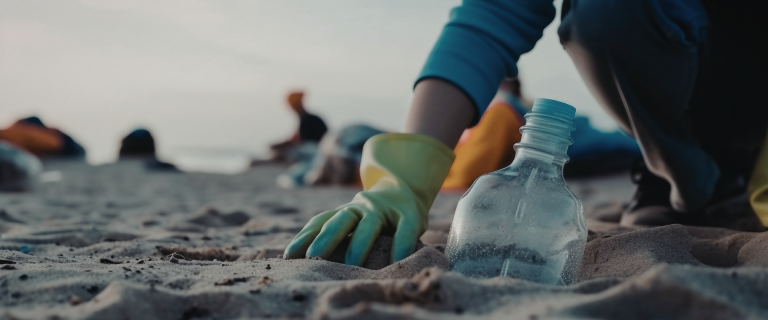
Urban Ocean selects UGA’s Circularity Informatics Lab as program co-lead
The University of Georgia New Materials Institute’s (UGA NMI) Circularity Informatics Lab (CIL) has joined the Urban Ocean program as a core partner and program…

The need for urban resilience in Rio de Janeiro became clear in April 2010, when heavy rains hit the city. 66 people died in what was considered the worst environmental disaster in Brazil. Since then, resilience projects have been a priority, and with the city currently undergoing significant infrastructural changes for the World Cup in 2014 and the Olympic Games in 2016, there is a major opportunity to invest in initiatives that make the city more sustainable and resilient, and to show others how to do the same.
The University of Georgia New Materials Institute’s (UGA NMI) Circularity Informatics Lab (CIL) has joined the Urban Ocean program as a core partner and program…
Just a few years from 2030, progress on gender equality remains uneven. According to the United Nations (2022), only 15.4% of SDG 5 indicators are…
Gender influences how people access, move through and experience city life, shaping mobility, safety, economic opportunity and access to services. Gender equity has been recognized…