A Community Heat Action Plan

25 organizations came together to co-create and support the implementation of a community Heat Action Plan.
Chinatown, Boston
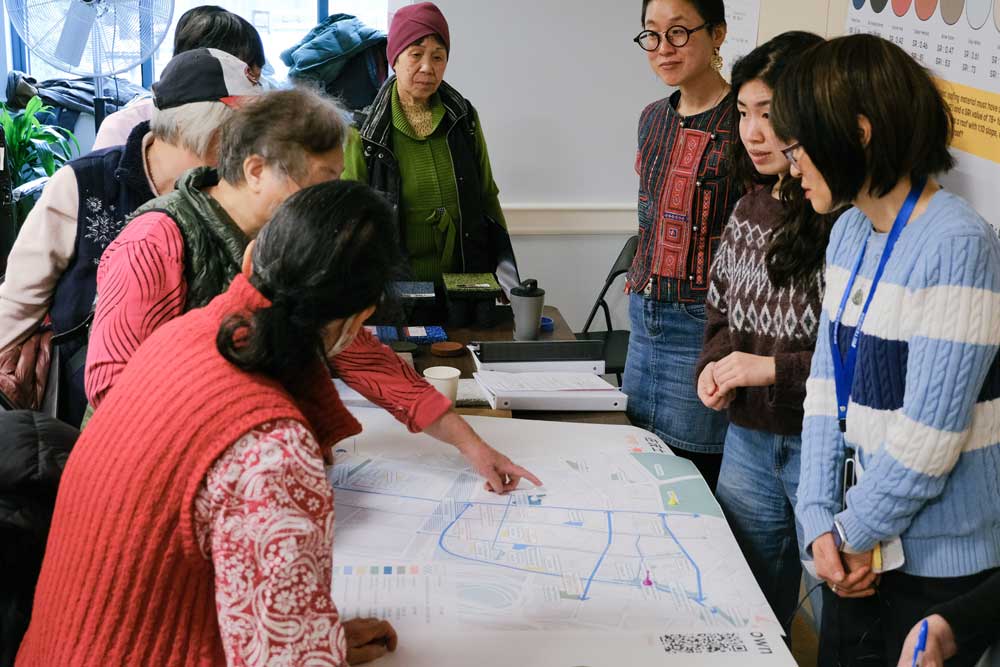
Residents, local organizations and the city co-created the first neighborhood Heat Action Plan.
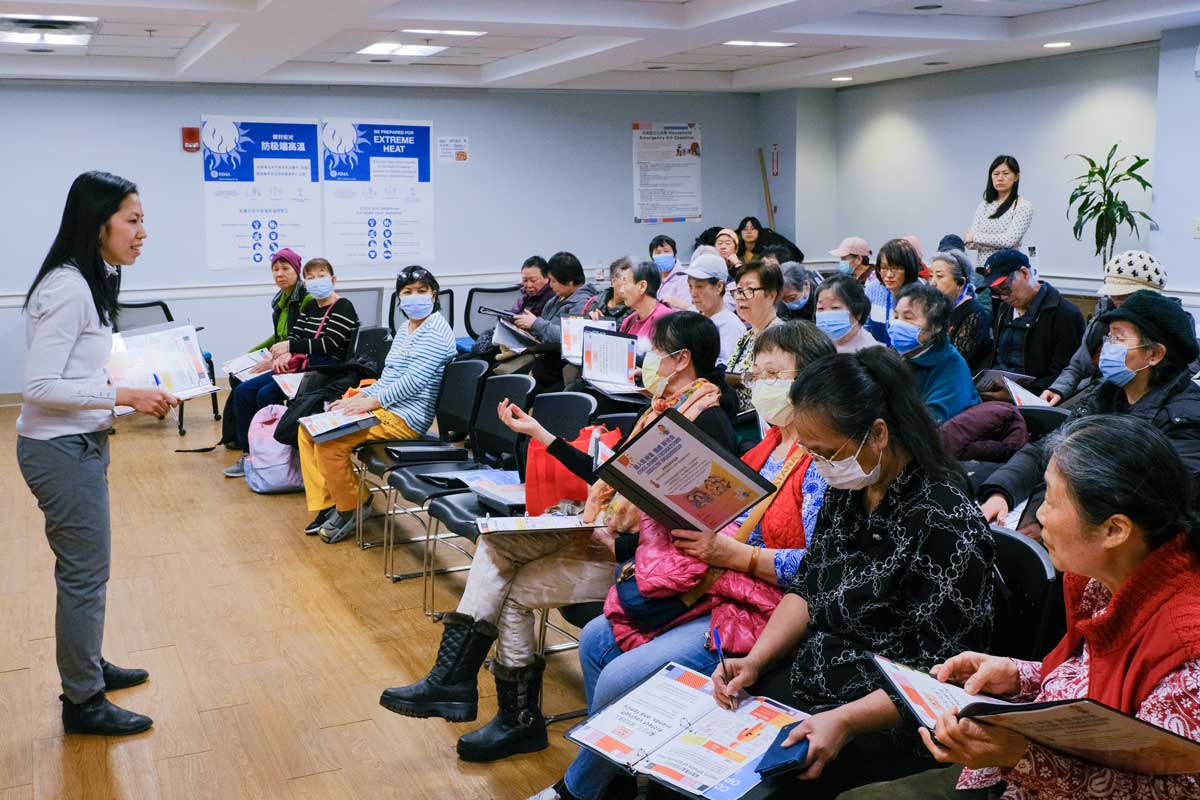
Delivering heat alerts and cooling strategies in Mandarin, Cantonese and English helps ensure the whole community is protected.
The Heat Action Plan working group keeps residents, organizations and the city in communication and accountable to each other.
To build a picture of each community, the Resilience for Communities (R4C) program used risk mapping, open-data sources, expert interviews, community surveys and focus groups. This assessment used the Climate Resilience Measurement for Communities (CRMC) tool to assess community resilience to extreme heat and flooding - helping to identify priorities and design solutions.
Sources of resilience — The community Heat Action Plan builds on Chinatown’s existing sources of Social and Human capital.
Social
Human
Physical
The Heat Action Plan taps into the influence and reach of community organizations to ensure no community member is left behind during heat waves.
Targeted resources and culturally-appropriate materials raise awareness and enhance local capacity to prepare and respond to heat emergencies.
Chinatown has limited natural resources and tree cover, and residents have historically had few opportunities to drive decision making on resource management. The Heat Action Plan calls for the city to work with community members to deploy cooling resources like misting tents during heat emergencies.
Impact multipliers — Resilience solutions have a different mix of impact multipliers and impact multiple systems, businesses and societies. Together, multipliers produce an amplified impact.
Community Awareness
As the Heat Action Plan comes into action over the next summer, the 25 organizations that participated in its development will collectively raise awareness about heat illnesses and heat safety together.
Increased Community Cohesion
The Heat Action Plan calls for targeted actions to raise awareness, including outreach on the social media platforms and messaging apps community members use most, from WhatsApp to WeChat, building community and a shared sense of responsibility to respond during extreme weather.
Access to Cool Spaces
After a local community center closed temporarily for renovations one summer, Chinatown lost one of its only cooling centers, where older people and residents have guaranteed access to cool spaces during extreme heat events. The Heat Action Plan creates clear lines of communications for community organizations to advocate for and ensure adequate cooling centers are opened in Chinatown each summer.
How does this solution make a difference? – Addressing prioritized shocks and stresses
Extreme Heat
Low awareness
A public health approach to heat
Treating extreme heat as a public health issue means tackling the problem with the urgency it deserves from multiple perspectives. Chinatown’s Heat Action Plan brings together the city, the health sector and community organizations to ensure residents are safe and healthy during extreme heat events.
Meeting people where they are
Community members may recognize that summers are getting longer and hotter without understanding the risks to their health. The Heat Action Plan outlines a clear communication flow whereby public health experts monitor risks, communicate those risks using evidence-based knowledge and ensure quality, accurate information reaches residents’ in their community, in their languages and on the platforms they regularly use.

Analysis from the Heat Adaptation Solutions for Boston final report (picutred) utilized a variety of frameworks to determine neighborhoods most impacted by extreme heat. Chinatown and several downtown neighborhoods were shown to be most impacted and are most likely to experience extreme heat events in the future.

Chinatown has the highest proportion of multilingual residents of any Boston neighborhood, with 69% of Chinatown residents who speak another language at home. Chinatown’s population is also older on average than other neighborhoods. Source: City of Boston Planning Department.