Heat and health workshops

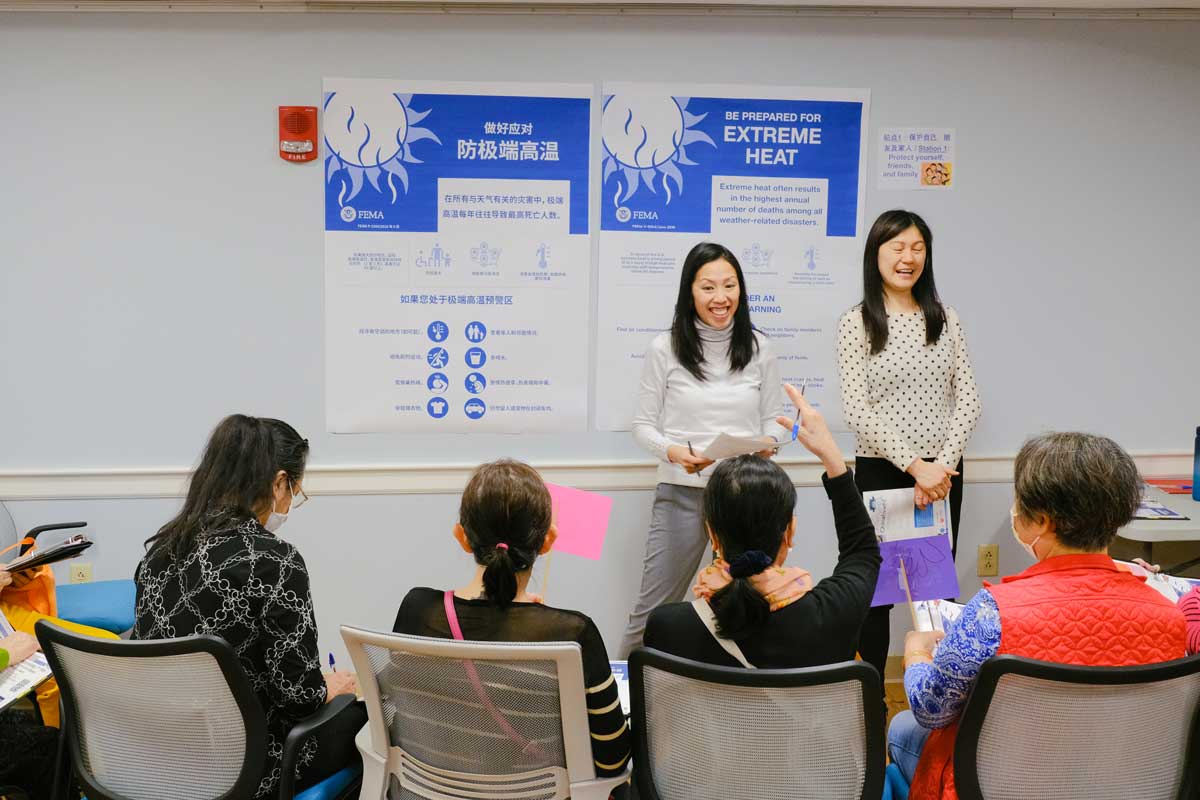
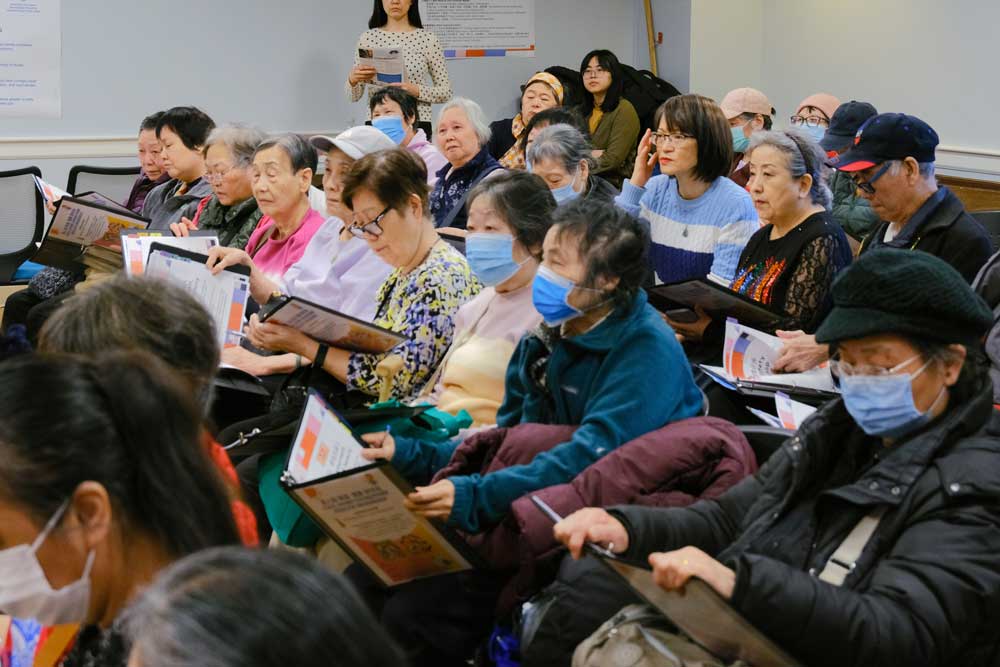
Over 150 community members attended heat and health workshops held in Mandarin Chinese and other languages.
Chinatown, Boston
Public heat awareness workshops helped raise awareness and shape Boston’s first neighborhood heat strategy.
The Heat Action Plan working group led public heat awareness workshops and shaped Boston’s first neighborhood heat strategy.
Demonstrating how local action can influence resilience planning and public education.
To build a picture of each community, the Resilience for Communities (R4C) program used risk mapping, open-data sources, expert interviews, community surveys and focus groups. This assessment used the Climate Resilience Measurement for Communities (CRMC) tool to assess community resilience to extreme heat and flooding - helping to identify priorities and design solutions.
Sources of resilience — Heat and health workshops tapped into Chinatown’s existing Social and Human capital to raise awareness.
Social
Human
The workshops reached many older Chinese residents who are more vulnerable during extreme heat events due to their age. Young people played an important role as facilitators in the project, building off previous initiatives like the Chinatown HEROS project.
Investing in the community’s understand of heat risks and public health strengthens individuals’ knowledge and capacity to response. The community workshops and capacity-building work were led by senior researchers from Tufts Medical Center and outcomes from another initiative, the Chinatown HEROS project.
Impact multipliers — Resilience solutions have a different mix of impact multipliers and impact multiple systems, businesses and societies. Together, multipliers produce an amplified impact.
Community Awareness
Over 150 community members attended the heat and health workshops and took back home with them a greater understanding of how heat affects health and what to do during heatwaves.
Increase Community Cohesion
Continued engagement and collaboration among residents, community organizations and city-led agencies will strengthen emergency response during heat waves. Training young people to facilitate workshops ensures the next generation is ready to lead.
How does this solution make a difference? – Addressing prioritized shocks and stresses
Extreme Heat
Low awareness
Evidence-based heat recommendations
The Heat and health workshops shared the health risks of extreme heat, as well as simple, evidence-based recommendations for how to avoid heat stress during hot weather, from drinking water to finding a nearby cooling center.
Multilingual, culturally appropriate workshops
Older, monolingual residents are often the most isolated and at-risk during extreme heat events. The heat and health workshops were conducted in Chinese, ensuring life-saving information reached the residents who needed it most.

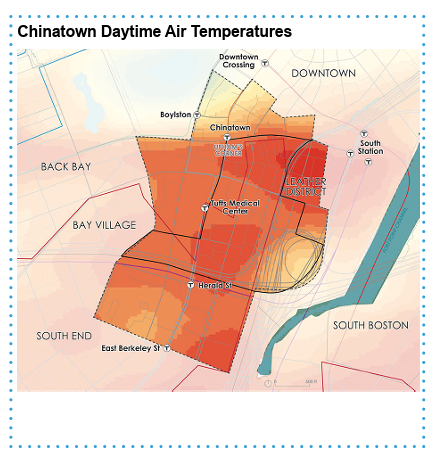
Neighborhood level analysis from the Heat Resilience Solutions for Boston final report (pictured) identified several contributing factors to extreme heat in Chinatown – lack of green space, wide streets with limited tree canopy, dark roofing materials, density and other factors.

Photo credit: Enzo Nguyen, Asian Community Development Corporation

Older adults make up a greater share of Chinatown residents compared to other Boston neighborhoods and face greater health risks during heat waves.