Cooling station construction

4 cooling structures built.
Lower Roxbury, Boston
Cooling structures and site activations are turning an underused lot into a space for community rest and relaxation.
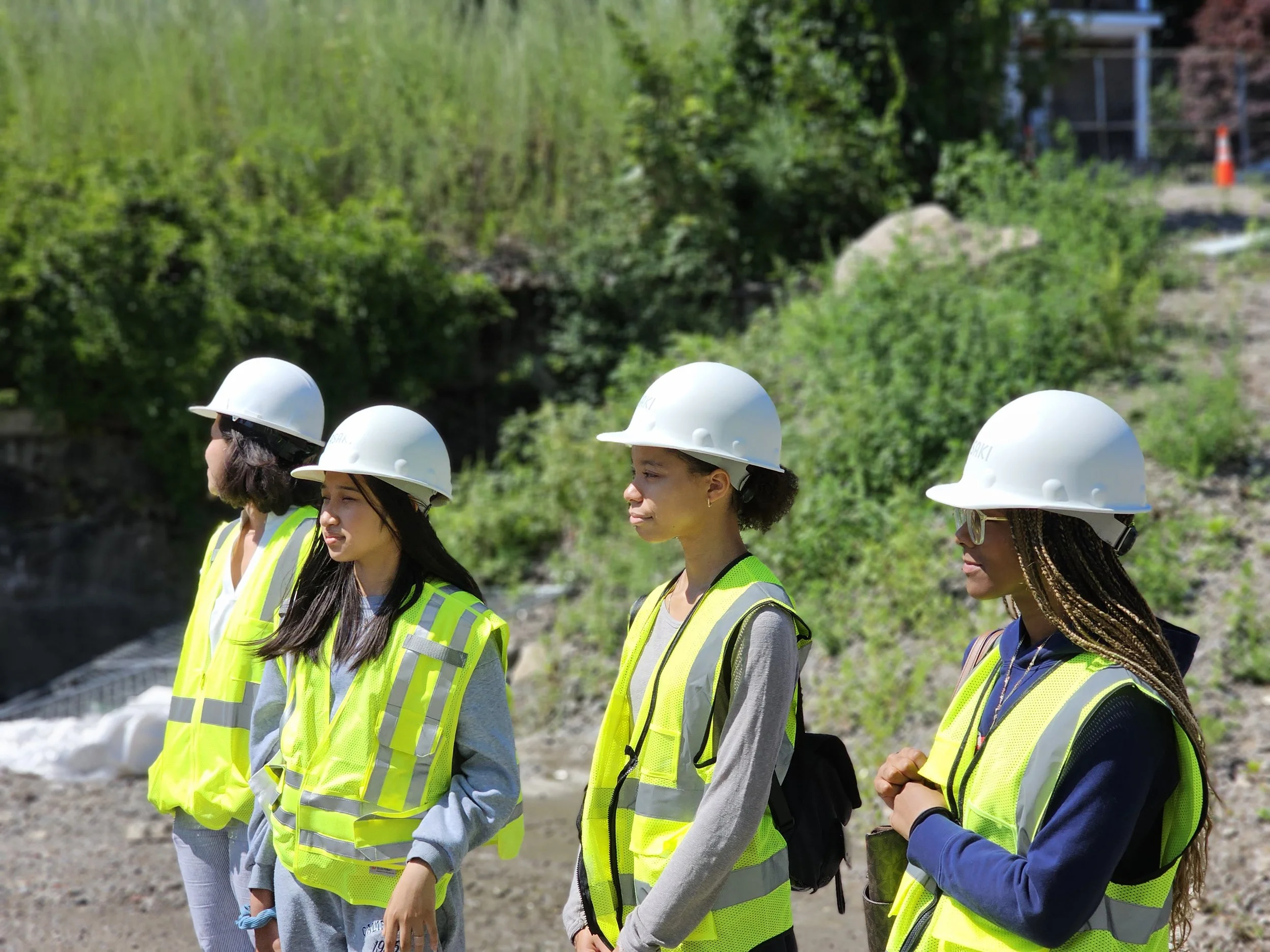
Green construction trainees put their new skills in practice building 4 cooling structures.
The structures provide shade, mist and seating to improve an underused, city-owned lot.
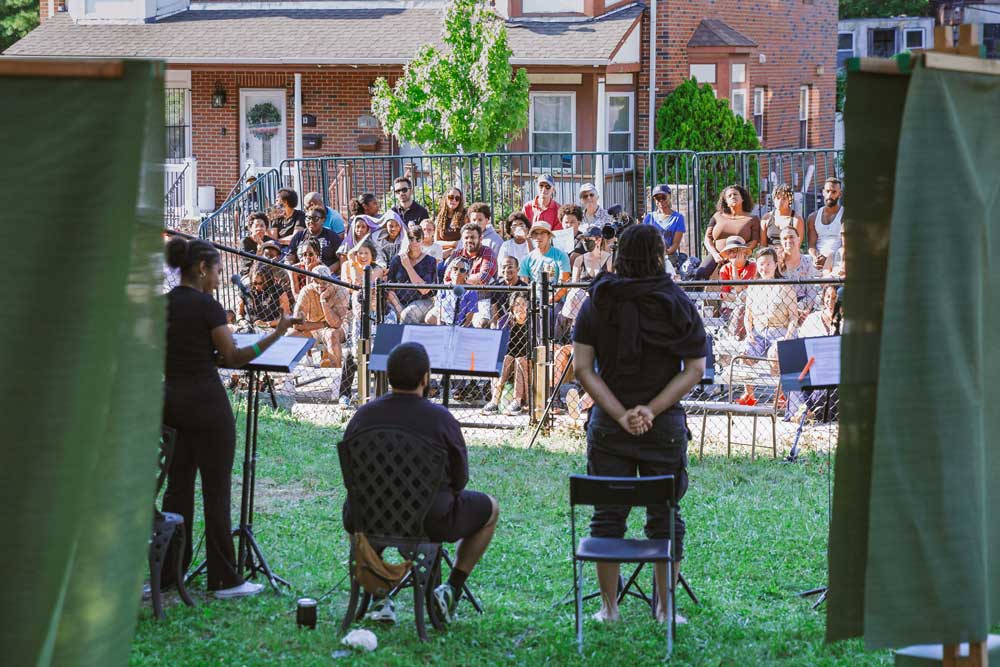
An opening event to introduce the site and cooling stations to the community drew over 90 attendees.
To build a picture of each community, the Resilience for Communities (R4C) program used risk mapping, open-data sources, expert interviews, community surveys and focus groups. This assessment used the Climate Resilience Measurement for Communities (CRMC) tool to assess community resilience to extreme heat and flooding - helping to identify priorities and design solutions.
Sources of resilience — Shade and seating structures in an underused city lot add to the community’s Physical, Social and Human capital.
Physical
Social
Human
Shade and seating structures improve the comfort and useability of a local green space.
Improving the underused lot created a new community space for rest and gathering; a community event held on-site invited residents to get to know and use the space.
Green construction trainees honed their construction and designed skills with a practical, hands-on project.
Impact multipliers — Resilience solutions have a different mix of impact multipliers and impact multiple systems, businesses and societies. Together, multipliers produce an amplified impact.
Access to Cool Spaces
The cooling structures improve the useability of an underused, city-owned lot. More community members using the space makes it more likely for the City to maintain and invest in the lot as a green space instead of for development.
Community awareness
Adding shade and seating to this underused city-owned lot has allowed more community members to use the space, raise awareness of it and ensure the lot is maintained as green space and not developed.
Job creation for all
The green jobs curriculum model, paired with a hands-on, practical project in the community has the potential to be replicated and multiply impact in other communities in Boston and in other cities.
How does this solution make a difference? – Addressing prioritized shocks and stresses
Extreme Heat
Lack of green space
Unemployment
A cool place to rest and relax
The addition of cooling structures to the lot has enhanced its usability and attractiveness for nearby residents and the house of worship located on site, creating a cool space for rest, relaxation and community events.
Expanding green space through tactical design
Communities like Lower Roxbury are seeing increased development, even as they are overheating and have historically experienced underinvestment. A tactical approach to enhancing green spaces and bringing community members together can help preserve and expand green spaces in the neighborhoods that need it most.
A practical, hands-on project
Participants in the green jobs curriculum gained valuable career skills and completed a practical, hands-on project they can showcase as a professional accomplishment.

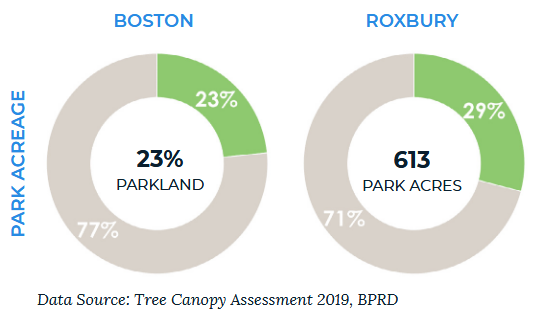
Roxbury and neighboring Dorchester have uneven access to parkland. Outside of Franklin Park, a large park in the southern part of the neighborhood, only 6% of the neighborhood is park space. Uneven park access means not all residents benefit from the cooling features of parks.

Source: Heat Resilience Solutions for Boston Final Report.

These observations led to a surprising observation: grass nearby and under the shade and misting structure thrived, while areas of the lot exposed to direct sunlight were hotter, patchy and dry.

In 2024, YouthBuild Boston served 149 students, 85% of whom from lowincome families.

Source: YouthBuild Boston 2024 Impact Report.